






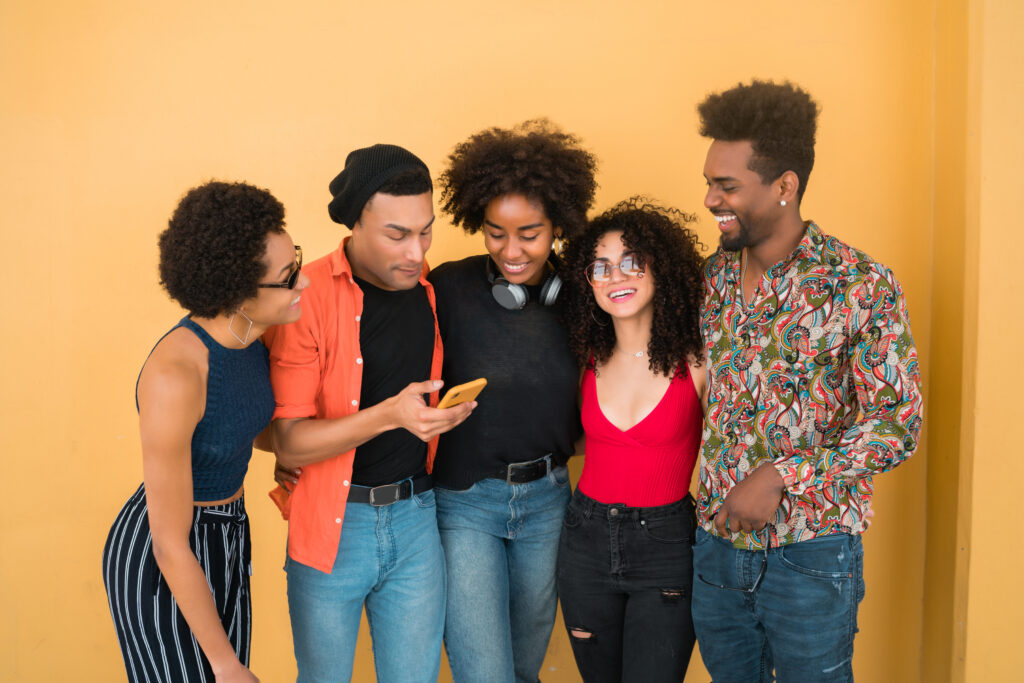
The number to keep in mind is 2.5X, according to a McKinsey report. Gen Z consumers are 2.5X more likely than older generations to base their purchase decisions on personal values and identity, rather than brand loyalty or social status. That one figure is enough to explain why, in a Lagos bar, a millennial might be drinking a Hennessy because it’s the thing to do, while a Gen Z’er is having a smoothie and is thinking about how much the same amount of money would buy if he or she could for his or her next freelance software subscription.
Two generations. One country. Extremely divergent rules on what to do in life.
The Millennials (born between 1981 and 1996) and Gen Z (1997–2012) have been born in the same country but in vastly different Nigerias. The Millennial was a teenager during fuel lines and NEPA blackouts and early Facebook fun. For Gen Z, the arrival of smartphones, Twitter activism, and an economy that no longer pretended to be stable had opened their eyes to the world. The various entry points have given birth to two generations whose lifestyles, values, spending habits, and social behaviors are at first fascinating; funnily different; and tellingly divergent on where Nigeria is going.
On Money and Spending
Could there be a bigger generational difference than in people’s attitudes towards money? Nigerian Millennials have grown up witnessing their parents work very hard to earn a fixed income, secure a government position, or get a pension. Security was the objective. As millennials turned into adults and began to have jobs, the urge was to spend on the open market, to make it obvious that the hustle worked. A decent car, an elegant apartment in a decent area, designer clothes for special events. Being proof of something became a part of spending for the Millennial generation.
Don't MIss This Gist
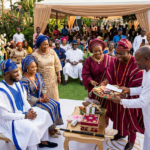
Gen Z is different. Or does this mean they are smarter or that they just saw the Millennials struggle and took notes? Probably both. Skip the owambe and wear a new outfit, but post a home video instead of going to an owambe. A Millennial will probably be more inclined to spend that money on a new outfit than a Gen Z will be to spend it on a digital skill course or a dollar-denominated savings account. They’re not into the “show me how to be successful,” but into “how to be successful without others knowing.”

On Career and Hustle Culture
If you ask a Nigerian Millennial what he/she wanted to be when he was a kid, the chances are you will get one of the following answers: doctor, lawyer, engineer, or banker. These were “professions” that they aspired to, respectable, stable, and parent-approved. Millennials joined the workforce looking for jobs that had structure and followed a clear path, had a clear path to the corporate ladder, and had a path to advancement based on job title and office location.
Gen Z saw that ladder, saw how many rungs it was missing, and knew that they had to construct their own structure. Perhaps the self-reliance and financial awareness came sooner for those growing up during Nigeria’s heaviest economic turmoil, which included a period of currency devaluation, mass unemployment, and the Japa wave? The evidence indicates that yes. By the time they are getting to their 20s, Nigeria’s Gen Zs are already establishing businesses, gaining audiences on social media, freelancing for foreign clients, and earning foreign currencies. They are not waiting for a system that has proven itself to be unreliable and has not been dependable in the past.
The effects of relationships and marriage
This is where the generational divide is most pronounced and most contentious, at the kitchen tables of families throughout Nigeria. In light of cultural norms and a society where marriage still equated with respectability, Nigerians in their 20s and 30s tended to follow a familiar pattern: date, settle down, marry before 30, and have children. Any deviation from this path entailed serious social consequences and pressures that were hard to withstand within the family.
Gen Z is redefining all those terms. Is it rebellion, or is it just a generation that has seen marriages fall apart due to financial constraints and opting to be more careful? Probably the latter. Nigerian Gen Zs are postponing marriage, challenging the traditional role of all relationships, and having public discussions on partnership relations that their Millennial counterparts did not. They are the generation that made it regular to discuss boundaries, emotional compatibility, and the love/dependency dynamic, something that can make a Nigerian aunty’s eyes tingle at a family gathering.
On Social Media and Identity
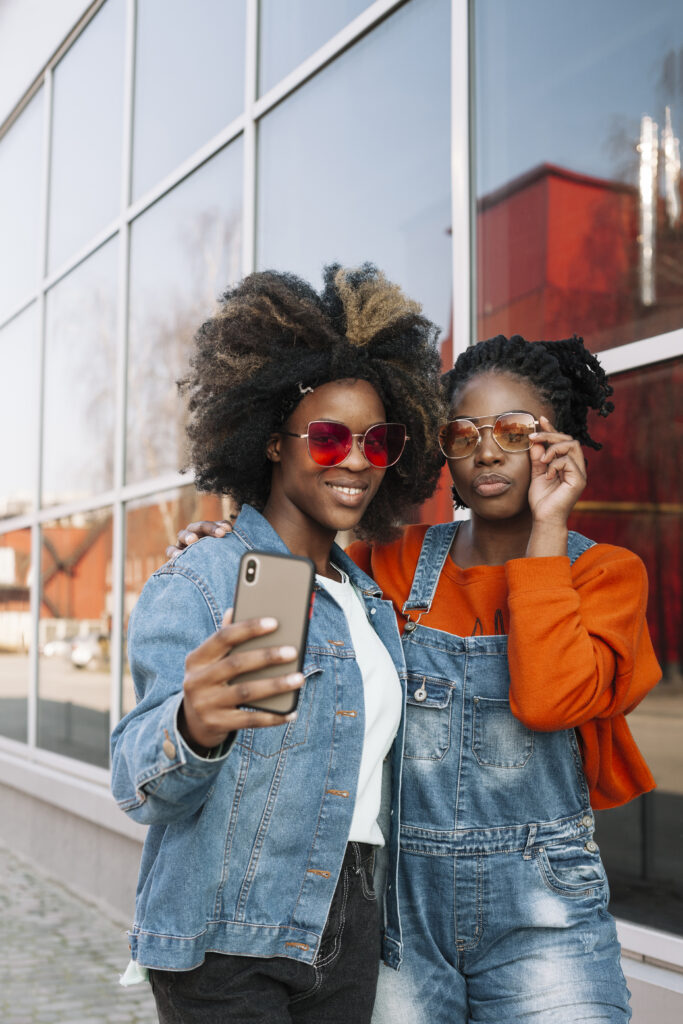
Social media was created by millennials. Then Gen Z used it as a weapon. It was the Nigerian millennials who first started sharing graduation photos and wedding albums on Facebook and who found Instagram and made it the highlight reel of their best times. For Millennials, social media was more of an aspirational space, a carefully managed reflection of what they wanted to be or wanted to portray.
Don't MIss This Gist

Gen Z uses the same platforms, but with an almost inverse level of energy. At the moment, authenticity is the money. These are things that really connect with Gen Z audiences because they’re unfiltered, they’re the “take” that no one is sparing on the production value, and they’re the willingness to say “I’m struggling” or “this trend is toxic.” These are much more likely to resonate with Gen Z than any photo ever could. Content creators in Nigeria’s Gen Z generation are gaining followers by being real, specific, and sometimes messy, whereas Millennials are still working out how to match the avenues.
This generation and the previous one are not perfect; they have not got it all figured out. The commonality is that Nigerian Millennials and Gen Z are not just one generation different; their philosophies of life, their economic circumstances, their access to information, and their concept of a good life are all different.
Stability was the name of the game for the millennial, who had to learn to survive. Gen Z is shaping up to be confident learners who are achieving it in a new way. In between these two instincts, however, the future of Nigeria’s lifestyle is quietly being negotiated, a generation at a time.