





The Nigerian wedding traditions are a reflection of the country’s diverse ethnic groups, their customs, beliefs, and history. While weddings are universal in nature, they differ from culture to culture in their aspects of love and commitment. Each of the Yoruba, Igbo, and Hausa weddings have their own specific customs, attire, music, and family traditions that make it truly special.
Marriage in Nigeria is beyond two people. It’s also a bridge for two families. Therefore, the themes of respect, community, and culture are very significant in traditional weddings.
Though they differ in some ways, the object of these ceremonies is the same. They recognise the start of a lifelong bond and respect family traditions.
Yoruba Traditional Weddings Focus on Respect and Family
The Yoruba people have colorful dresses, music, and traditions during their traditional wedding. All aspects of the ceremony highlight respect for both families.
Don't MIss This Gist

The groom’s arrival is one of the favorite events. He typically shows up with friends and family, and musicians play for the crowd. The husband and his friends frequently bow down to the bride’s family. This is a sign of humility and respect.
The bride comes in later, in her traditional attire. She dances gracefully towards her family before welcoming the Groom’s family.
The role of the parents and elders is important at all stages of the ceremony. Their blessings are for the new marriage.
The Engagement Ceremony Holds Great Importance
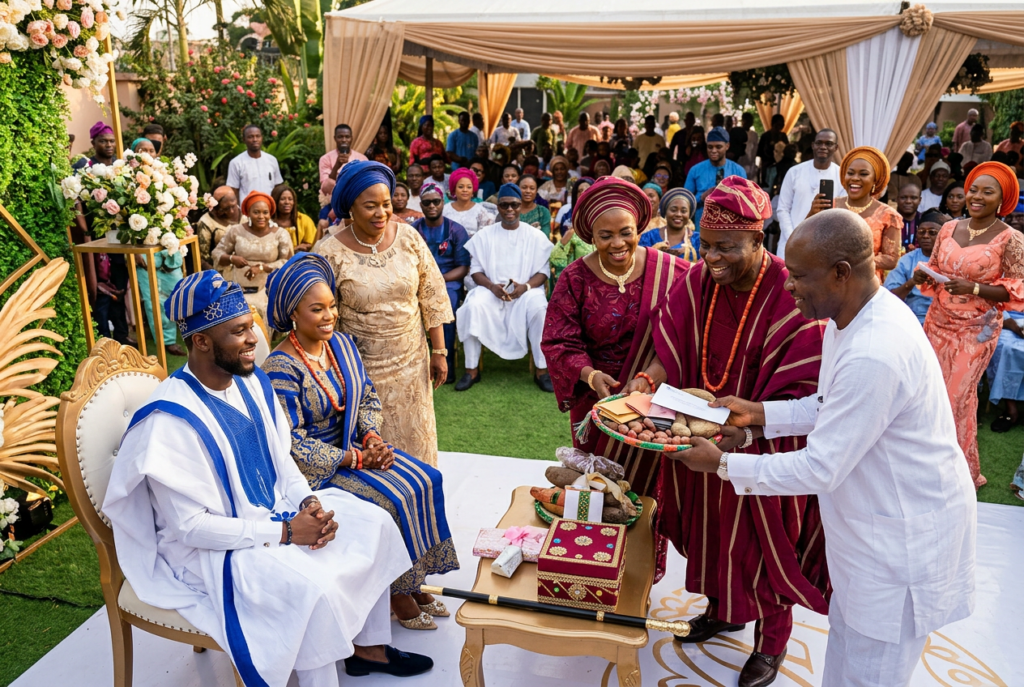
The traditional engagement is usually the event that is most significant in the culture prior to the white wedding. In this ceremony, both parties enter into a formal agreement to marry each other.
Members of both families greet each other and talk about the traditions of marriage. They also exchange gifts as per tradition.
Typically, the groom’s family will bring items sought by the bride’s family. Gifts can consist of clothing, food, beverages, and symbolic gifts.
Don't MIss This Gist

Family involvement is the key aspect of the customs, although different from one community to another, among the Yoruba.
Yoruba Traditional Attire Is Rich and Colourful
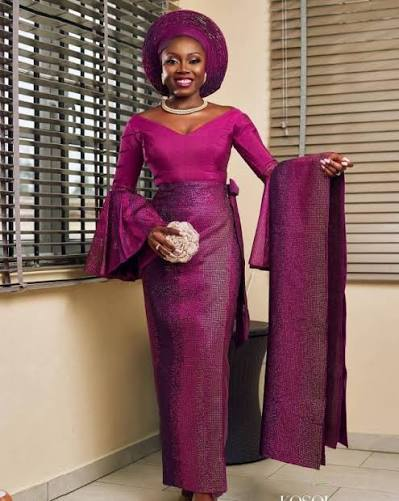
In a Yoruba wedding, fashion is a significant aspect. The bride is likely to wear a beautiful iro and buba along with a gele that is the same. Fabrics such as Aso Oke are still in use and are rich.
The groom typically dons an agbada (traditional garment) or a loose-fitting long gown and a matching hat known as a fila.
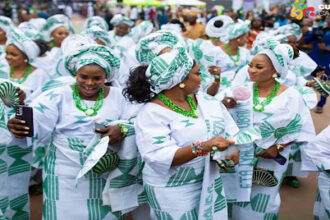
Aso ebi is usually worn by family members as coordinated fabrics. This tradition forms a beautiful sense of unity during the celebration day.
The overall effect is completed with bright colors, elaborate headpieces, and beautiful accessories.
Igbo Weddings Celebrate Culture and Symbolism
It is believed that the wedding rites of the Igbo people are rich in meaning and symbolism, which signify unity and acceptance of the family. The ceremonies are vibrant and very traditional.
Don't MIss This Gist

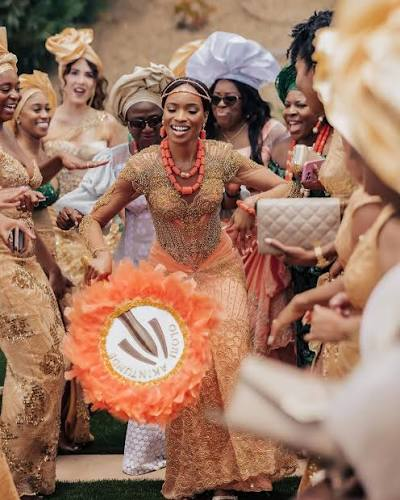
Contrary to popular belief, one of the highlights of the wedding is the bride looking for her husband. With family and guests watching, she passes through the crowd with a beverage in her hand.
Once she finds her groom, she gives him the drink. After he accepts, the couple officially acknowledges their intent to marry in front of all of them.
This tradition is the bride’s choice, and her sign of willingness to the marriage.
The Bride’s Family Plays a Major Role
Family participation is still crucial in the entire process of an Igbo marriage. Typically, both families will meet beforehand to discuss the marriage.
Marriage lists are also presented traditionally. The following lists include symbolic items asked for by the bride’s family.
Gifts are different in each community. They are typically filled with alcoholic beverages, food, clothing, and cultural presents, though.
Don't MIss This Gist

These exchanges are not buying a bride, but just a sign of appreciation.
Igbo Traditional Clothing Reflects Elegance
The beautiful embroidered blouses and colourful wrappers are a common sight with Igbo wives. Coral beads tied around the neck and wrists add a traditional touch.
Numerous brides also bring ornamental fans when they are wearing a beautiful headpiece.
Traditionally, the groom wears an isi agu top, a wrapper, and a red cap. He might also be seen with a walking stick.
They are outfits that proudly display the Igbo culture and heritage.
Hausa Weddings Emphasize Simplicity and Faith
Traditionally, Hausa marriages are a mixture of cultural and Islamic practices. Typically, the ceremonies focus more on religious beliefs and parental approval.

In some traditional events, the bride and groom may be less together as compared to some Nigerian wedding that takes place in the South.
Religious leaders may have significant roles to play at the marriage ceremony. Many cultural activities are also led by family elders.
Throughout all the celebration, there is always respect, modesty, and dignity.
The Kamu Ceremony Brings Excitement
The Kamu ceremony is a popular Hausa wedding tradition. On this occasion, the groom’s family symbolically asks for the bride’s permission to see the bride.
Prior to letting the groom in, friends and family may set up some challenges for him. These playful times fill up the party with fun and spice it up.
Singing, dancing, and celebratory conversations are often part of the ceremony, as are the two families getting to know each other.
Don't MIss This Gist

Hausa Traditional Attire Is Elegant and Modest
Hausa Traditional Attire is an elegant and modest outfit.
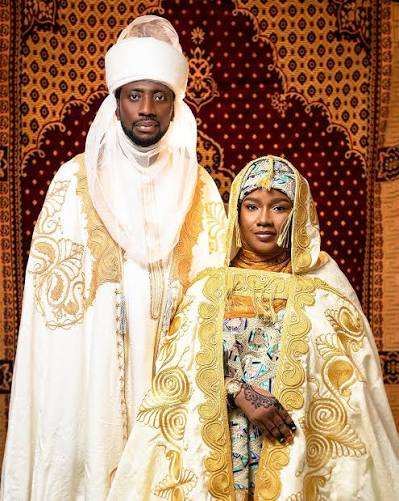
Hausa brides are often dressed in beautifully embellished dresses that are complemented by the bride’s veil. Their outfits usually feature detailed embroidery and luxurious fabrics.
Also, henna on the hands and feet is an important element of a bride’s look.
The groom usually wears a babban riga, which flows with an embroidered cap. The style of his clothing is elegant, yet also respects cultural norms.
The Hausa weddings have a unique look because they are soft in their color and are graceful in their designs.
Food and Music Differ Across Cultures
Food is a major aspect of all Nigerian weddings. The menu is, however, different in different parts of the world.
Don't MIss This Gist

Jollof rice, amala, efo riro, and various dishes of meats are served at Yoruba wedding ceremonies.
The ofe onugbu, pounded yam, nkwobi, and other local delicacies are popular items of the Igbo celebrations.
It is common at Hausa weddings for jollof rice, tuwo shinkafa, miyan kuka, suya, and other dishes of the north to be served.
Music is also an expression of the traditions of each culture. Yoruba wedding ceremonies are often accompanied by live speaking drums. Highlife music or songs is played at Igbo events, and Hausa weddings may include performances of the traditional northern music.
What All Three Cultures Have in Common
While these traditions vary, they do hold a number of values in common. Family participation is still an integral part of each ceremony. Throughout the celebrations, an attitude of respect is shown to the elders. Marriage is seen as a bonding of two families, not two individuals.
Weddings are also marked by the use of colourful dresses, mouth-watering food, happy sounds, and hospitality.
The common values aid in the safekeeping of Nigeria’s rich cultural heritage for posterity.
Final Thoughts
There are many different ways of celebrating a marriage in Yoruba, Igbo, and Hausa culture and traditions. Prostrations, aso ebi, palm wine ceremonies, and the Kamu tradition are all integral parts of a wedding, parading generations of history and identity. The knowledge of these traditions not only showcases the diversity of Nigerian culture but also serves as a reminder that love, respect, family, and community are central themes in every traditional marriage celebration.