






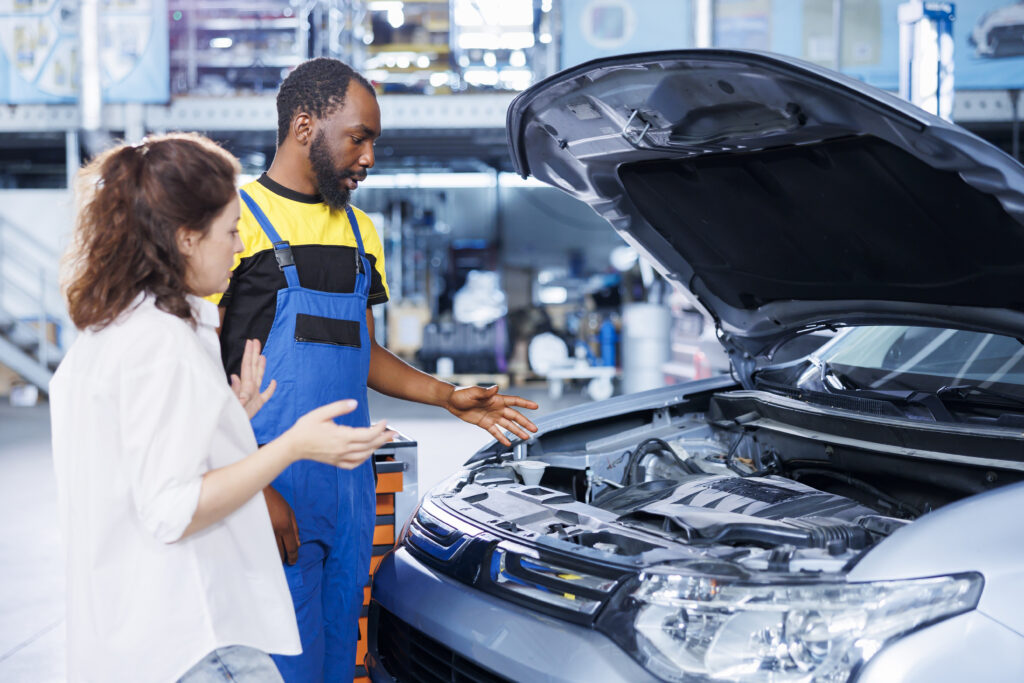
Despite the high number of registered vehicles in Nigeria, maintenance is a big problem because of the frequent breakdowns that are happening on the road. Every day, vehicles are subjected to additional wear and tear due to rough road conditions, traffic congestion, various weather conditions, and seasonal flooding. Therefore, regular maintenance is crucial to ensure optimal reliability and safety in your car. A well-maintained schedule will also help avoid costly repair work.
So many drivers delay their visits to the mechanic until their car breaks down. Sadly, this can result in increased repair expenses. Little things can turn into big issues if you don’t get them fixed right away. Hence, preventive maintenance is always the better choice.
A car maintenance schedule keeps your car running efficiently. It also enhances fuel efficiency and prolongs key component life. In addition, it decreases the likelihood of an unexpected breakdown while traveling long distances. A simple routine can help all Nigerian Drivers.
These are 5 maintenance agendas that every driver should never neglect.
Don't MIss This Gist

1. Check Engine Oil Every Month
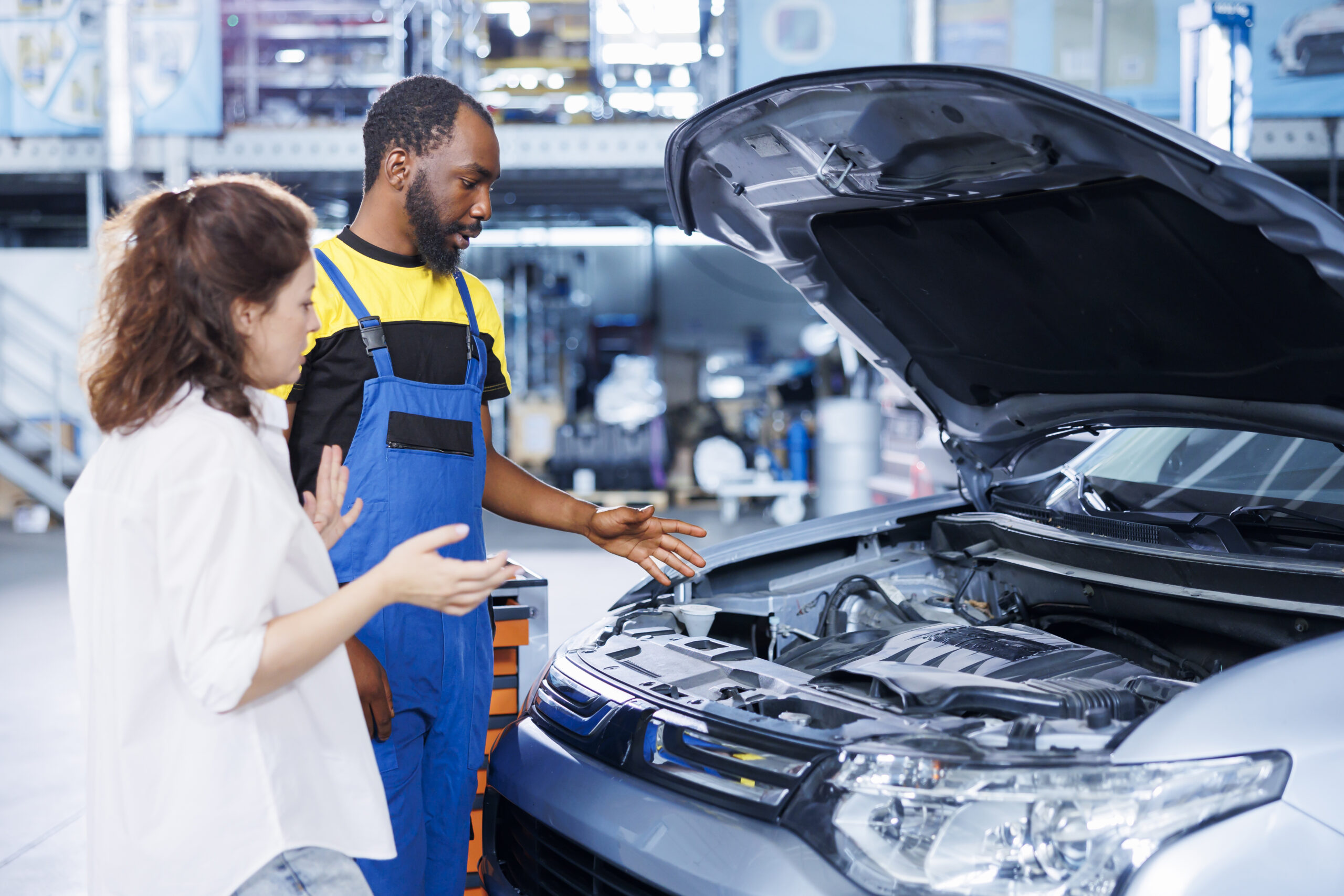
Your vehicle’s engine oil is the lifeblood of your car. It acts as a lubricant for moving parts of the engine and decreases friction. If insufficient clean oil, engine parts wear out sooner. At some point, serious damage to the engine can be caused.
Nigeria’s hot weather causes engines to work harder. The long hours driving also make for a hot engine. As a result, engine oil runs down much faster than most drivers realise.
Regularly check the oil in the engine (at least once per month). Park on level ground prior to using the dipstick. Make sure that the oil level is between the recommended marks. Also, take note of the color and consistency of the oil.
Dirty oil is generally dark and viscous. Oil that is clean will look smoother. Use a new oil if the oil appears cloudy. A change of oil may impact the performance of an engine if the oil change is delayed.
Follow the vehicle manufacturer’s recommended oil change interval. However, if you drive in the city frequently, your oil change may need to be more frequent. Idling and running the engine at varying speeds stress the engine.
2. Inspect Tyres Every Two Weeks
Tyres impact comfort, fuel efficiency, and safety. Tires that are not properly maintained are a safety hazard. Worn tires also have poor traction on wet roads. As such, frequent checks are of the highest priority.
Don't MIss This Gist

Regularly check tyre pressure every 2 weeks. Low tire pressure causes tires to wear out more quickly and can lead to higher fuel consumption. Tyres that are over-inflated have poor traction and handling. Properly operating pressure helps ensure safety and efficiency.
Also, check tyre tread frequently. A worn tread has decreased traction in wet conditions. This makes for a greater risk of skidding or hydroplaning. It is therefore always best to replace worn tyres immediately.
Inspect for cuts, cracks, and bulges. Potholes and sharp bits on the roads are common in Nigeria. The hazards can cause tyres to be damaged without warning. Early detection will avoid further issues.
Don’t forget to check the spare tyre. Many drivers don’t realize it until in a crisis situation. A flat spare tyre is of little use in roadside emergencies. So, make sure to include it in each inspection.
3. Service the Braking System Every Six Months
The braking system keeps you and all passengers inside safe. If there’s an emergency, reliable brakes enable you to make quick decisions. The braking distance is significantly increased on weak brakes. Therefore, it is necessary to have regular brake servicing.
Brake pads are a consumable part of the system and wear out over time. This wear is aggravated by heavy traffic. People who drive in urban areas and do lots of driving should pay special attention to the brake performance. Worn brake pads will make noises that are strange.
Don't MIss This Gist

Pay attention to squealing or grinding noises when applying the brakes. They are never to be ignored. They can often indicate that there is a brake issue that requires attention. Repair delays may cause deterioration of the brake discs.
Periodic check of brake fluid is also needed. Low or dirty fluid decreases braking. When performing routine maintenance, mechanics should thoroughly inspect the whole braking system. This includes brake lines, discs, and calipers.
You know you’re keeping your brakes healthy if you’re at peace. Most importantly, it helps to keep you and other road users safe every day.

4. Replace Air and Cabin Filters Regularly
Air Filters Make Engines Breathe Better. Clean filters can enhance fuel-burning efficiency and engine performance. A dirty filter will significantly reduce airflow. This means more effort than is necessary is required from engines.
The roads are dusty in Nigeria, and dust particles are abundant in the air. This problem is even exacerbated during dry seasons. Filters fill up with dust under these conditions much faster. So it is recommended to conduct regular inspections.
Regular service should include checking most types of air filters. Replacement intervals will depend on the driving environment. But it’s in dusty places that they need to be replaced sooner.
Don't MIss This Gist

Cabin air filters should be considered as well. These filters are used to enhance the air quality inside the vehicle. Dirty cabin filters restrict the airflow from the air conditioning system. Additionally, they can also catch dust and odors.
Both filters need to be replaced for better driving comfort. It also aids the engine in its operation. What’s more, passengers get to experience cleaner air each time they travel.
5. Test the Battery Every Six Months
Car batteries generally do not explode without warning. Many show signs of weakness before failing altogether. Unfortunately, many drivers overlook these early symptoms. Remain stranded unexpectedly as a result.
Batteries last much shorter at high temperatures. Nigerian weather is thus an extra stress on the vehicle battery. Regular short journeys also don’t allow batteries to charge properly.
Get the battery checked every 6 months. Specialised equipment can be used by the mechanic to quickly check the health of the battery. They are also able to check battery terminals for corrosion.
Be alert to signs of concern between inspections. A weak battery can cause slow engine cranking. A problem with charging may also mean dim headlights. Early treatment of these symptoms helps to avoid roadside hassles.
Don't MIss This Gist

Cleaning battery terminals also helps the performance. Over time, the electrical conductivity decreases due to corrosion. Periodic terminal cleaning ensures good starting power.
Build a Maintenance Routine That Works
Advanced mechanical knowledge is not needed to follow a maintenance schedule. Typically, only a few minutes are required for most inspections. So, simple checks often help to detect issues before they become costly fixes. As a result, routine maintenance is time- and cost-efficient.
Maintain a record of your car’s maintenance. Note oil changes, tyre changes, battery checks, servicing dates, etc. This habit will help to plan future maintenance. It also enhances the value of a property in the event of a sale or purchase.
Get qualified mechanics for big repairs. Quality replacement parts typically outlast cheap replacement parts. Good maintenance investments may save over time.
Final Thoughts
Owning a car in Nigeria comes with unique challenges. Hot weather, heavy traffic, bad roads, and seasonal flooding wear critical parts in the vehicle. Luckily, though, regular maintenance can solve these problems. Engine oil checks, tyre inspections, brake servicing, filter replacements, and battery testing are just some of the things that can lead to many common breakdowns. With these 5 maintenance plans in place, Nigerian drivers can ensure their vehicles operate safely, efficiently, and cost less to maintain for many years to come.