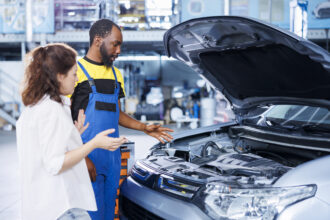






Negotiating car prices involves discussing a price with a car seller, which is done to help achieve a better deal. This can cost you a few hundred thousand naira to millions in Nigeria. The price of the car often differs from one seller to another, even for the same model. Confident negotiation will help you to avoid overspending and obtain the most value for your money.
A lot of buyers think that the first asking price is the price to make the offer on. But this is not usually the case. Most sellers will expect a bit of negotiation before selling. It is important to be prepared when entering a deal; otherwise, you may end up paying more than you need to.
The happy news is that being aggressive is not the key to successful negotiation. It’s about posing the right questions, collecting useful information and being patient along the way.
Research the Market Before You Start
Preparation is a key to getting a head start before negotiations. Check the prices of various websites that sell cars and social media marketplaces. Go to local dealerships to gain insight of the current market prices. This study will assist you in determining the fair offers easily.
Don't MIss This Gist
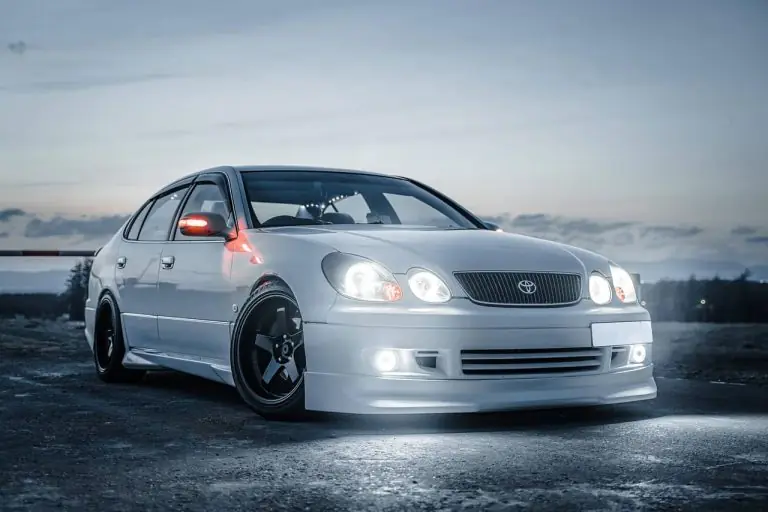
Keep an eye on the trim, mileage, condition of the vehicle, and the year. There are two cars that may look alike, but are of different values. As a result, equal specifications will yield more reliable estimates of price.
Car prices can also be affected by exchange rates in Nigeria. Foreign cars tend to be more expensive during a devaluation of the naira. It is important to track market trends in order to come to a realistic negotiation.
Set a Budget and Stick to It
Before meeting any seller, determine how much you can afford to spend. Be sure to factor in registration fees, insurance, maintenance and the potential for repairs. This will avoid any future inconveniences in terms of finances.
Don’t overstretch your finances due to a desired car. People tend to make bad financial decisions when they make emotional ones. Instead, stick with what you can afford.
Aside from that, you’ll have plenty of confidence in your budgeting when it comes to negotiating. You know when to walk away if it’s needed.
Inspect the Car Carefully
Do not negotiate on the basis of looks. Clean on the outside doesn’t necessarily mean that it’s in good mechanical shape. Before you talk to the salesperson about the price, thoroughly check the inside and outside of the house.
Don't MIss This Gist

Ensure tyres show even wear. Inspect for dents, rust or repainting of the body. Check all the lights, windows and air conditioning. These inspections can discover problems that could make a lower price a wise solution.
Check for unusual noises by starting the engine. If the owner gives permission, drive the car so you can test it. Focus on braking, steering and suspension. Little issues can turn into costly repairs later.
Try to have a trusted mechanic with you if possible. An expert examination will typically reveal issues that potential buyers may not be aware of. This little bit of cash can really save big money.
Let the Seller Mention the Price First
Don’t make an offer until the seller has stated their asking price. It is a great way of getting some feedback on their expectations. In some cases, the cost is less than expected.
When the price is stated, don’t immediately react. It shows confidence when you take a moment to think. It also shields you from emotional reactions which negate your negotiating power.
If when you ask how much it costs they say more than you can afford, tell them that calmly. Don’t offer just any old info; rely on your market research. Sellers tend to be more receptive to buyers who are knowledgeable.
Don't MIss This Gist

Use the Car’s Condition as Leverage
The condition of a car is an important consideration in negotiations. The value of the car is affected by any defect that is visible. Be courteous about pointing out problems, and do not criticize the seller.
If needed, talk about worn tires, paint that’s peeling, or late maintenance. Do a fair estimate of the probable cost of repairing the item. These costs will help ensure that you’re not overcharged.
Don’t make small issues seem larger than they are. Truthful conversations lead to improved seller relationships. This makes negotiations more fluid, therefore.
Stay Calm Throughout the Process
You will need to have confidence in your negotiation at every stage. Be polite, it makes for a better discussion. It is not a good idea to get frustrated and do not get better.
Avoid hurry as another buyer shows interest. Some vendors try to create a sense of urgency in buyers. Rather, he or she should be patient and carefully assess the situation.
Negotiation can also be done using the element of silence. Wait for the seller to respond after making an offer. They can change their minds instead of losing a possible customer.
Don't MIss This Gist

Be Ready to Walk Away
One of the most powerful negotiation tactics is to walk away. If the person selling doesn’t budge tell them nicely and walk away. There are many sellers that get in touch with the buyers later and offer them better deals.
Keep in mind there are thousands of vehicles available throughout Nigeria. Don’t miss out on one opportunity and forget about it. If you’re patient, you’ll get a better deal somewhere else.
Don’t get attached before buying. Emotional attachment makes negotiating a lot more difficult.
Consider Buying at the Right Time
The time of negotiation can affect negotiation outcome. Some dealers will prefer to sell early at the end of the month to hit their sales targets. Others give discounts on less busy days.
Additionally, rainy seasons can dampen buyer interest in some areas. Sellers might be more inclined to negotiate during these times, then.
Being aware of seasonal demand patterns will allow you to obtain a better price.
Don't MIss This Gist

Verify the Vehicle’s Documents
Don’t just go for the lowest price. Before making any payment, verify all documents are authentic. Check papers and customs records for imported vehicles.
Verify the Vehicle Identification Number with records. Be sure to have the information accurate for the vehicle. Good record keeping minimizes future legal hassles.
When in any doubt, delay the transaction until clarification. If the money is later found to be disputed and control is lost, then it is a wasted effort.
Complete the Transaction Safely
After making a decision, make sure to carefully write down all of the details. Get it signed and transfer it in the right manner. Don’t make big cash transactions in hazardous places.
Complete transactions during the day, if possible. The safety of the personal is enhanced when meeting at a secure place. Both the buyer and seller will be protected by these precautions.
Final Thoughts
Buying a car in Nigeria can be a thrilling experience that demands preparation, patience, and confidence. By conducting market research, checking out the cars thoroughly and knowing your budget, you have a higher likelihood of making a fair deal. Keeping your cool and understanding when to back off can improve your negotiating leverage. These strategies will help you negotiate like a pro without making unnecessary expenses and errors.