





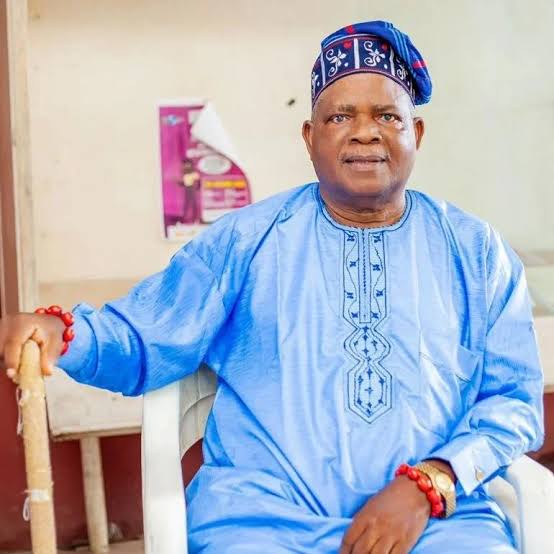
Family announces three-day burial rites for veteran actor Kola Oyewo, with tributes, OAU events and a final interment in Oba-Ile.
The family of veteran actor, dramatist and theatre scholar Kola Oyewo has announced a three-day burial programme that will bring relatives, colleagues and admirers together in Osun State. His final rites will run from Wednesday, August 5 to Friday, August 7, 2026, ending with a private interment in his hometown of Oba-Ile.
Chief Dr Kola Oyewo, the actor, dramatist and theatre scholar Nigeria lost on June 12, 2026, at age 80. His family has now released the full burial programme, and it reads less like a funeral schedule and more like a tribute tour through the institutions and communities he shaped.
The rites begin Wednesday, August 5, with a wake and service of songs at St. Mary’s Catholic Church in Igboya, Ile-Ife. By Thursday, the mood shifts toward celebration: a commendation mass in the morning, followed that evening by an Artistes’ Night at Obafemi Awolowo University’s Oduduwa Hall, where colleagues and admirers will share tributes and cultural performances.
It’s fitting that OAU features so heavily. Oyewo wasn’t just a performer who studied theatre on the side; he was an Associate Professor of Drama there, blending decades on stage and screen with years shaping younger talent in the classroom. A standout part of the programme is an exhibition of his photographs, publications and creative works at the Pit Theatre, opening Thursday and running through Friday. It’s the kind of detail that turns a funeral into something closer to a retrospective.
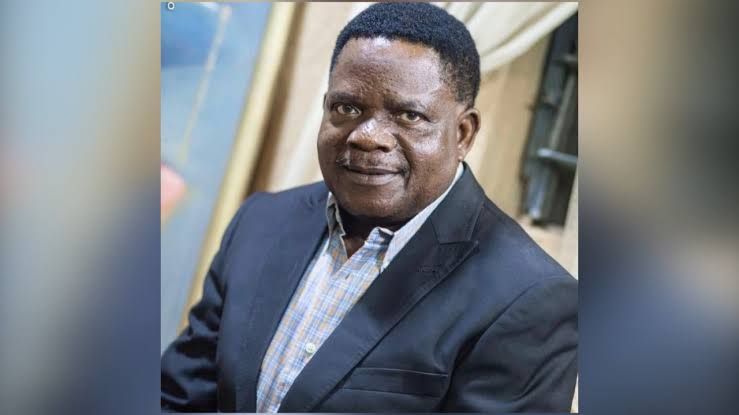
On Friday, August 7, his remains will leave his residence in Ese-Ola Compound, Oba-Ile, for a Requiem Mass at St. Joseph Catholic Church. He will then be laid to rest privately at Labaluyegbe Villa, before a reception for guests at Aderonmu Grammar School Field.
In its announcement, the Bangbola Oyewo family described him as a father, grandfather, colleague and traditional figure whose life touched both family and public life.
Across more than six decades, Oyewo mentored generations of actors, playwrights and scholars, leaving fingerprints on Nigerian theatre that outlast any single role he played. His family describes him simply: a father, grandfather, and veteran of the craft. For many in the industry, though, his death marks something larger, the closing of a chapter in Nigerian theatre history.