After a long day in Lagos traffic, hours at your desk, or a busy week of work and family responsibilities, your body can feel exhausted.
Your shoulders may feel tight. Your back may ache. Your legs may feel heavy. Sometimes, what you need is not another hour on your phone, but time to relax and let your body recover.
This is where an oil massage can help.
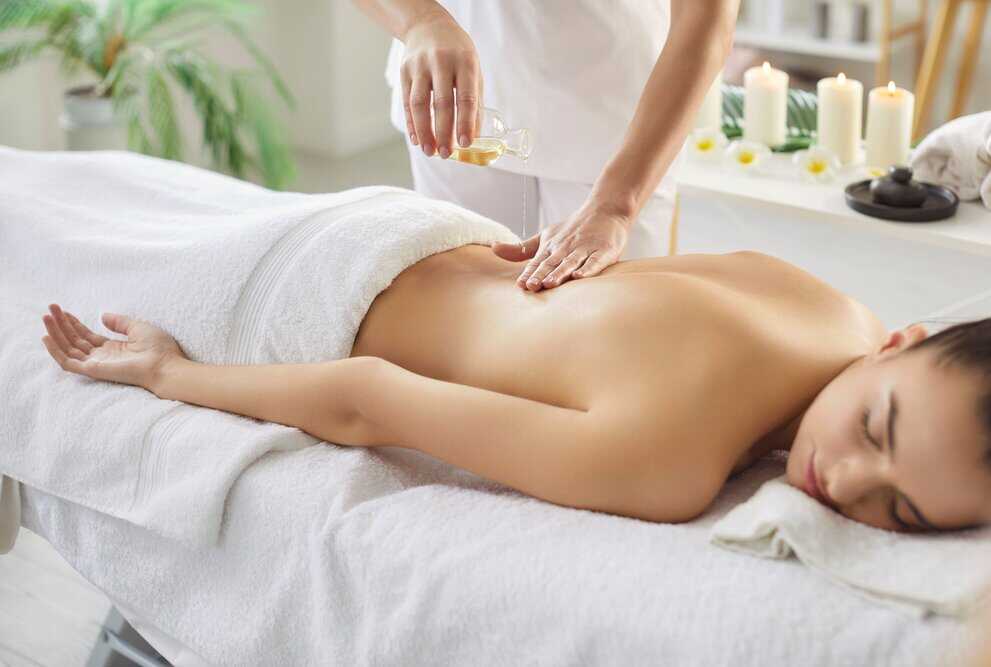
Oil massage combines warm natural oils with gentle, rhythmic movements across the body. Beyond the relaxing experience, it can help ease muscle tension, support circulation and leave your skin feeling softer.
For you, an oil massage can be a simple way to pause, especially when everyday Nigerian life leaves little room for rest.
What Is an Oil Massage?
An oil massage is a type of body massage where oil is applied directly to your skin during the treatment.
The oil allows the therapist’s hands to move smoothly across your body without excessive friction. Depending on the technique, the therapist may use long strokes, gentle pressure, kneading or rhythmic movements.
The experience can be particularly relaxing when the oil is warmed slightly before application.
Different oils also have different scents and skin-feel properties. Therefore, your choice may depend on whether you want relaxation, hydration, a refreshing experience or simply softer skin.
Oil massage has roots in several Asian wellness traditions. Today, it is also popular in modern spas and wellness centres around the world.
For someone dealing with the daily demands of work, commuting and household responsibilities, the appeal is easy to understand.
It Can Help Your Muscles Relax
One of the main reasons you may choose an oil massage is muscle tension.
Sitting at a desk for several hours can leave your neck and shoulders stiff. Long journeys can also make your back and legs uncomfortable.
Meanwhile, people who spend their working days standing or moving around may experience similar discomfort.
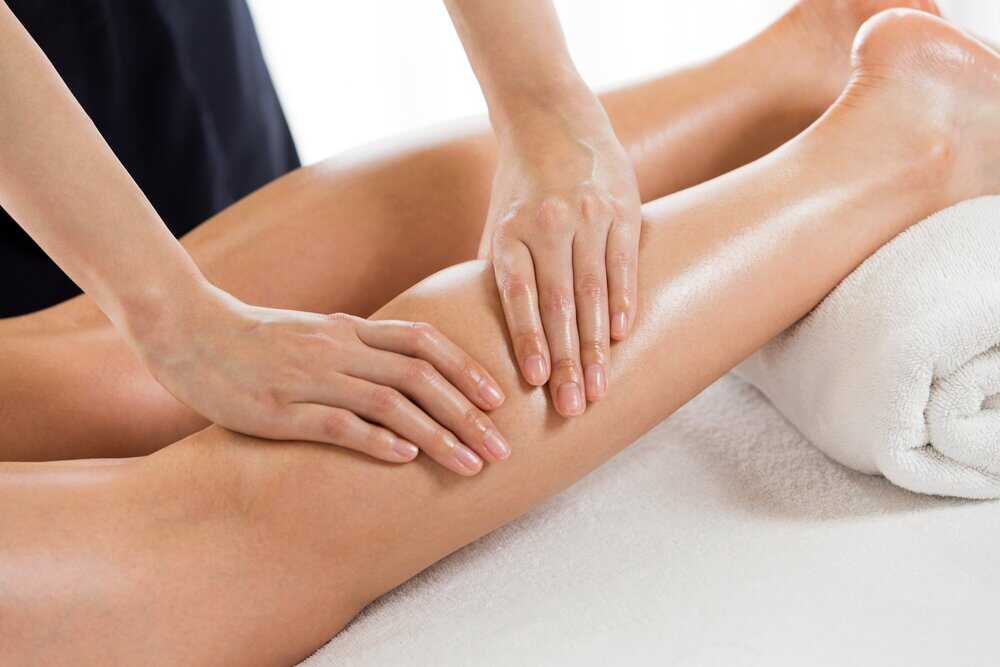
Massage works on tense areas through controlled pressure and movement. As your muscles relax, you may feel less stiff and more comfortable.
An oil massage may be particularly useful after a demanding week or physical activity.
However, it should not replace medical care if you have severe or persistent pain.
It Can Support Circulation
Massage involves repeated movement across the skin and muscles. These movements can encourage blood flow to the areas being massaged.
Better circulation can contribute to that warm, relaxed feeling you experience during and after a session.
For example, if you have spent hours sitting in traffic or working at a desk, a massage can help you feel less physically tense afterwards.
Still, massage should not be presented as a treatment for circulation-related medical conditions. If you have a diagnosed condition, speak with your healthcare professional first.
It Can Help You Manage Stress
Stress is not always easy to escape.
You may be thinking about work while eating dinner. You may be planning bills while travelling home. You may also have family responsibilities competing for your attention.
An oil massage gives you an opportunity to slow down.
The quiet environment, gentle touch, warmth and pleasant scent can create a calming experience. Consequently, you may leave feeling mentally lighter and physically more relaxed.
This does not mean massage cures anxiety or other mental health conditions. Rather, it can be one part of a healthy approach to relaxation and self-care.
It Can Moisturise Your Skin
The benefits are not limited to your muscles.
Natural oils can help reduce dryness and leave your skin feeling smoother after a massage. This can be especially useful if your skin often feels dry from frequent bathing, air conditioning or exposure to harsh environmental conditions.
However, not every oil will suit every person.
If you have sensitive skin, allergies or a skin condition, check the ingredients before using a massage oil.
You can also ask the therapist to perform a small patch test when appropriate.
It May Leave Your Skin Looking Healthier
Massage temporarily increases blood flow around the areas being worked on.
Combined with moisturising oils, this can give your skin a fresh and healthy appearance after the session.
Regular skincare still matters, though.
A massage cannot replace basic habits such as cleansing your skin, staying hydrated, eating a balanced diet and protecting yourself from excessive sun exposure.
Think of oil massage as an additional wellness practice rather than a replacement for everyday skincare.
Which Oils Can You Use?
The oil used during your massage can influence the overall experience.
Lavender oil is commonly associated with relaxation and can suit an evening massage.
Lemongrass oil has a fresh scent that can make the experience feel refreshing.
Orange oil provides a pleasant citrus fragrance that many people find uplifting.
Ylang-ylang oil has a floral scent that can contribute to a calming atmosphere.
However, essential oils are concentrated and should usually be properly diluted before they are applied to the skin.
If you are unsure which oil suits you, ask a qualified therapist.
Why a Warm Bath Before Massage Can Feel Good
Some spas combine bathing with massage as part of a wider wellness experience.
A warm bath before your treatment can help you relax before the massage begins. It can also make your muscles feel more comfortable during the session.
This is one reason spa experiences often combine heat, bathing and massage.
However, you do not need an expensive wellness package to practise simple self-care.
A warm shower followed by a professional massage can also provide a relaxing experience.
How Often Should You Have an Oil Massage?
There is no single schedule that everyone needs to follow.
You may choose an occasional massage when you feel particularly stressed or physically tired. Another person may prefer regular sessions as part of their wellness routine.
Your budget, lifestyle and personal needs should guide your decision.
You also do not need to massage yourself frequently to enjoy healthy skin. A simple skincare routine, adequate rest, physical activity and good nutrition remain important.
Make Relaxation Part of Your Routine
Oil massage is more than applying oil and rubbing your muscles.
For you, it can be an opportunity to step away from work, traffic, responsibilities and constant notifications.
It may help your muscles relax, support circulation, moisturise your skin and create a calmer state of mind.
Nevertheless, it is important to keep your expectations realistic.
Massage can support relaxation and general wellbeing, but it is not a cure for medical conditions. If you have unexplained pain, swelling, skin problems or another persistent health concern, seek appropriate medical advice.
Ultimately, taking care of yourself does not have to be complicated.
Sometimes, it can begin with something as simple as giving your tired body an hour to slow down, breathe and recover.