You can buy expensive shampoo, sleep in a satin bonnet and visit a good hairstylist regularly.
However, your hair may still struggle if certain habits remain part of your routine.
Hair damage does not always come from one major mistake. Instead, it often develops through small habits repeated over time.
It could be another tight ponytail before work. It could be keeping the same braids for several weeks.
It could also be using high heat before every outing or pulling through tangled hair when you are already late.
Each habit may seem harmless on its own. However, the damage can build gradually.
This is especially important when you regularly wear braids, wigs, weaves, locs or other popular hairstyles.
A good hairstylist can help you maintain your hair. However, healthy hair also depends on what happens between salon visits.
If you want stronger, fuller and healthier-looking hair, start by reconsidering these habits.
1. Wearing Your Hair Too Tight
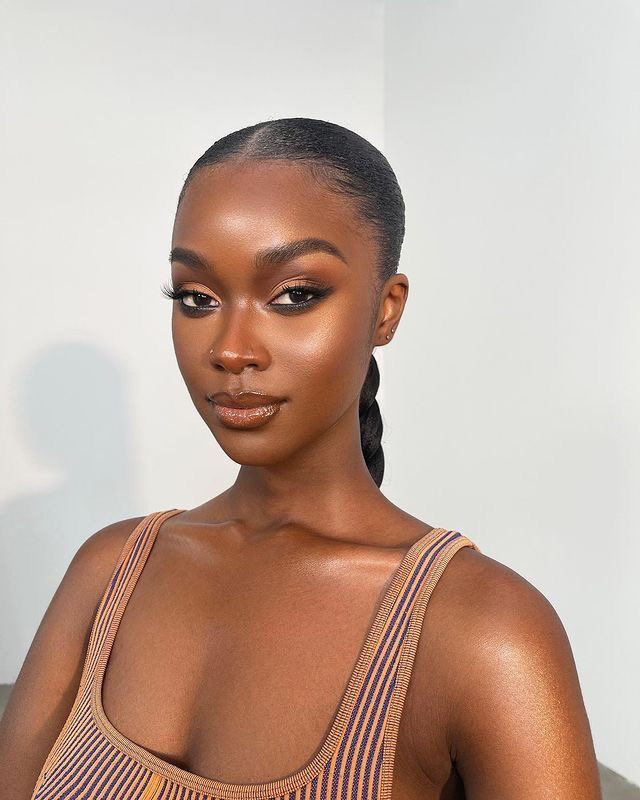
A neat, tightly packed ponytail can look beautiful. The same applies to sleek buns, braids and laid wigs.
However, your scalp and hairline may not appreciate the constant tension.
Repeated pulling can weaken the hair around your edges and temples. Over time, this may contribute to traction alopecia.
Traction alopecia is hair loss caused by repeated tension on the hair.
The problem can be difficult to notice at first. You may see a little thinning around your edges and cover it with another hairstyle.
Then, you repeat the same process.
Eventually, the affected areas may become more noticeable.
This is why you should not ignore pain during hairstyling.
If your braids hurt immediately after installation, they may be too tight. A hairstyle should not cause persistent pain or headaches.
Ask your hairstylist to reduce the tension around your edges and other delicate areas.
Also, rotate your hairstyles instead of repeatedly putting pressure on the same parts of your scalp.
2. Moving From One Protective Style to Another
Braids can be convenient. Wigs can save time. Weaves can also make getting ready easier.
However, a protective style only protects your hair when you care for the hair underneath it.
If you remove your braids today and install another style tomorrow, your hair gets little time to recover.
Constant styling can mean repeated pulling, brushing and manipulation. It can also make it harder to notice problems with your scalp.
Therefore, give your hair a proper break between installations.
After removing a style, gently wash your scalp and hair. Follow with a conditioner and detangle carefully.
Check your hairline and scalp before installing another style.
If you notice unusual thinning, soreness, flakes or other changes, consider speaking with a dermatologist.
Your hair does not need to be styled every week to look good.
Sometimes, leaving it simple is part of protecting it.
3. Overusing Edge Control
There is nothing wrong with wanting neat edges.
In Nigeria, perfectly laid baby hairs have become part of many hairstyles. However, getting that sleek finish every day can put extra stress on your hairline.
Strong edge products often require repeated brushing to achieve the desired look.
When you combine heavy products with firm brushing and tight hairstyles, your edges can suffer.
You do not have to stop using edge control completely.
Instead, use it sparingly and avoid brushing your edges aggressively.
You can also give your hairline days without heavy styling.
Your edges do not have to look perfectly sculpted every time you leave home.
Healthy edges are more important than perfectly laid edges.
4. Using Too Much Heat
Heat styling can transform your hair quickly.
A blow dryer can make detangling easier. Straighteners and curling irons can also create a polished look.
However, frequent exposure to high temperatures can leave your hair dry and more likely to break.
This is especially important if you regularly straighten natural hair.
Repeated heat can also affect the appearance of your natural curl pattern.
You do not have to completely avoid heat.
Instead, use a heat protectant before using hot tools. Keep the temperature as low as practical for your hair.
Also, avoid passing a straightener repeatedly over the same section.
If you can air-dry your hair sometimes, allow it to do so.
Reducing how often you use heat can make your routine gentler.
5. Keeping Braids and Weaves for Too Long
Sometimes, a hairstyle still looks good after several weeks.
You may have work deadlines, family commitments or events to attend. Removing the style may also mean spending more money on another one.
So, you decide to keep it for another week.
However, leaving braids or weaves in for too long can create problems.
Product, sweat, dust and natural scalp oils can build up. Your new growth can also become tangled.
Eventually, removing the hairstyle may become much harder.
This can lead to aggressive combing or pulling during takedown.
Healthy hair can break simply because it has become tangled with shed hair and product.
Therefore, do not keep an installation indefinitely because it still looks presentable.
Follow a reasonable maintenance schedule for the particular style.
When it is time to remove it, take your time.
Gently separate tangled sections before washing and avoid forceful combing.
6. Assuming Oil Always Means Moisture
When your hair feels dry, your first reaction may be to add oil.
You may also add more oil when your scalp feels itchy or your braids look dull.
However, oil and moisture are not the same thing.
Oil can help reduce friction and support certain hair routines. However, it does not replace proper cleansing and conditioning.
If you keep adding heavy oils and butters to dry hair, you may simply end up with dry hair covered in product.
This can also make your scalp feel uncomfortable and create unnecessary build-up.
Instead, pay attention to what your hair actually needs.
Cleanse your hair properly and condition it regularly.
Then, use suitable products based on your hair type and routine.
You do not need five different oils because someone on social media says they work miracles.
Your hair may respond better to a simple and consistent routine.
7. Ignoring Your Ends
Length can be exciting.
After spending months growing your hair, the last thing you want is to cut it.
However, damaged ends can make your hair look thinner and harder to manage.
You may notice split ends, excessive tangling or sections that feel much weaker than the rest.
When this happens, holding on to every centimetre may not help.
Regular trims can remove damaged ends and make your hair easier to manage.
This does not mean you should cut your hair every few weeks.
Instead, pay attention to its condition and remove damaged sections when necessary.
Healthy-looking hair is often more attractive than extremely long hair with weak, broken ends.
Healthy Hair Starts With Your Daily Habits
Healthy hair does not depend on one expensive product.
Instead, it often comes from several small choices that you make consistently.
Avoid hairstyles that constantly pull your edges. Give your hair breaks between protective styles.
Use less heat and protect your hair when you do use hot tools.
Also, avoid keeping braids and weaves for unnecessarily long periods.
Most importantly, learn to pay attention to your own hair.
What works for your friend may not work for you. A hairstyle that suits someone else may be too tight for your hairline.
Your hair also changes with your lifestyle, age and styling habits.
Therefore, do not wait until you notice serious breakage before changing your routine.
If you notice sudden or significant hair loss, persistent scalp pain or unusual thinning, see a dermatologist.
Your hairstylist can help with styling, but a medical professional can investigate possible scalp or hair conditions.
Ultimately, the goal is not to have perfect hair every day.
The goal is to build a routine that allows your hair to remain healthy while you enjoy the styles you love.