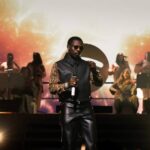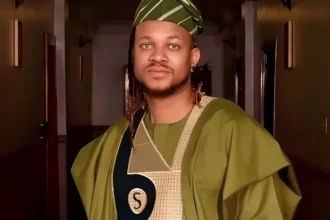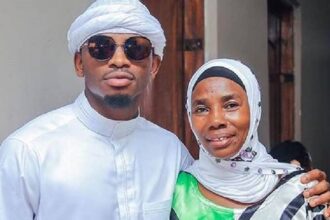


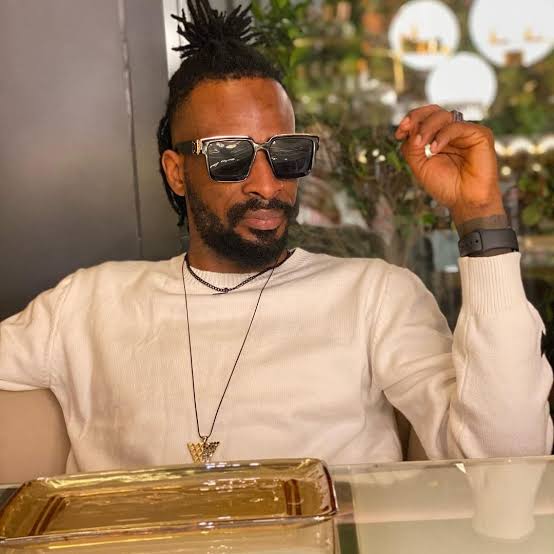
Singer 9ice’s claim that his parents are his highest spiritual authority reignited debate over religion, tradition, and national priorities in Nigeria.
There are opinions that ruffle feathers, and then there are opinions that flip the entire table. Nigerian veteran artist 9ice did the latter this week, and the internet has not recovered.
In a video he shared on Instagram on Sunday, the Gongo Aso singer made a declaration that nobody saw coming, at least not so plainly. He told his followers that his mother and father hold the highest place in his life, a position he would ordinarily reserve for God. Then, almost as an afterthought, he added that he has no interest in what he considers lesser spiritual forces.
Context matters here, because 9ice has been on a slow spiritual unburdening for a while now.
Back in April, he went viral for a fiery rant that took direct aim at Nigeria’s relationship with religion. He questioned whether decades of intense national prayer had produced any measurable national progress, and compared the Nigerian work week to an endless cycle of church services. His point, stripped down, was that worship without work changes nothing.
But buried inside that April video was a detail far more explosive: 9ice revealed he has been a practising Babalawo, a Yoruba traditional priest, for eighteen years. Privately. Quietly. Until that moment.
That single disclosure reframed everything. Suddenly, his recurring commentary on religion wasn’t just social criticism. It was personal testimony.
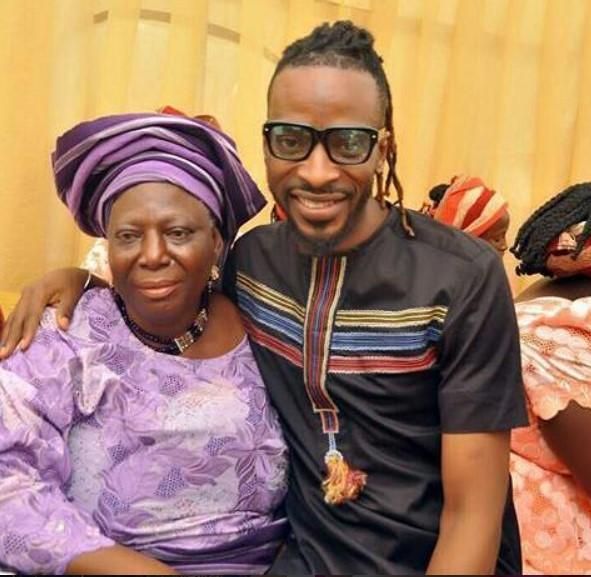
His latest statement builds directly on that foundation. By placing his parents at the top of his spiritual hierarchy, 9ice is not simply paying tribute to them the way most Nigerians do at Mother’s Day and Father’s Day. He is making a theological argument, that the visible, tangible love and sacrifice of a parent deserves the reverence most people save for an unseen deity.
It is a position that will land very differently depending on who is hearing it. For some, it reads as beautiful. For many others, particularly in a country where faith is deeply personal and fiercely protected, it reads as outright blasphemy.
The comments sections filled up fast. Most people dismissed the statement rather than wrestled with it. A few voices pointed out that there is actually a long philosophical tradition, both African and global, of honouring one’s ancestors and parents as sacred. But those voices were largely drowned out.
What is harder to dismiss is the pattern. 9ice keeps returning to these themes. He is not throwing random provocations into the timeline. Whether one agrees with him or not, he is clearly working through something real and doing it in public.
Don't MIss This Gist
Nigeria is one of the most religiously active nations on earth. Faith shapes politics, daily life, music, and even how people receive celebrity statements. When a well-known artist with 9ice’s history begins openly dismantling conventional religious frameworks and replacing them with something more personal and ancestral, it forces a conversation that many Nigerians would rather not have.