







In recent years, the food delivery industry has been booming in Nigeria. This growth has been fueled by the use of smart phones and increased access to the internet. This makes it easier to order food these days, as it requires just a few taps. People can now enjoy what was previously only possible at restaurants from the comfort of their sofa.
This convenience has revolutionized the eating habits of many Nigerians. It is common knowledge that food delivery apps have become a part of daily life in big cities. Nowadays, platforms link up customers with hundreds of restaurants. As a result, meal options have grown significantly from what was once thought of as “the usual.”
A few years ago, eating out was a planning and traveling activity. For working people, nearby restaurants were often used. But many of those restrictions have been eliminated from food delivery apps. Individuals are now able to obtain meals from various sites without having to leave home.
There have been changes in eating habits, including: These changes have influenced the eating habits in several ways; these include, one, the convenience has led to more frequent buying of food! Sometimes, cooking seems like a lot of work after a long day at work. So it’s easy to choose food from the menu.
Don't MIss This Gist

This has been enhanced by the development of remote working. There are more professionals working from home. There are more professionals working from home. You can easily obtain delivery, and they have begun dining out at restaurants regularly. As a result, sometimes cooking at home is put on the back burner.

Food delivery apps have also boosted up the variety of food. The platforms became popular before people had to rely on the closest platforms. Nowadays, within minutes of arriving in Lagos, one may explore dozens of cuisines. This exposure has motivated people to test out new foods.
Traditional meals are still fondly enjoyed by many Nigerians. But delivery apps have allowed international dishes to be more accessible. Pasta, burgers, sushi and other food items can be ordered easily by the customers. Consequently, there has been an increase in the variety of food habits.
This change has been adopted especially rapidly by the youth population. They feel at ease with online environments and information. As food orders are seamless and a part of their life, app-based dining continues to expand. In addition, social media can impact these decisions.
Food photos that are posted on the internet generate curiosity and demand. A popular food can be noticed within hours! Then apps for delivery make that meal available immediately. This means that social networking sites and food delivery sites often go hand-in-hand.
One of the other effects is meal timing. In the past many families had a certain pattern to their meals. But delivery apps have made it possible to feed a man according to his whim. In cities, late-night orders are growing in popularity.
Don't MIss This Gist

The convenience of this flexibility, however, alters dietary habits. There are now individuals who skip regular meal times. Rather, they buy food when they are hungry. Therefore, the frequency of feeding may decrease in regularity.
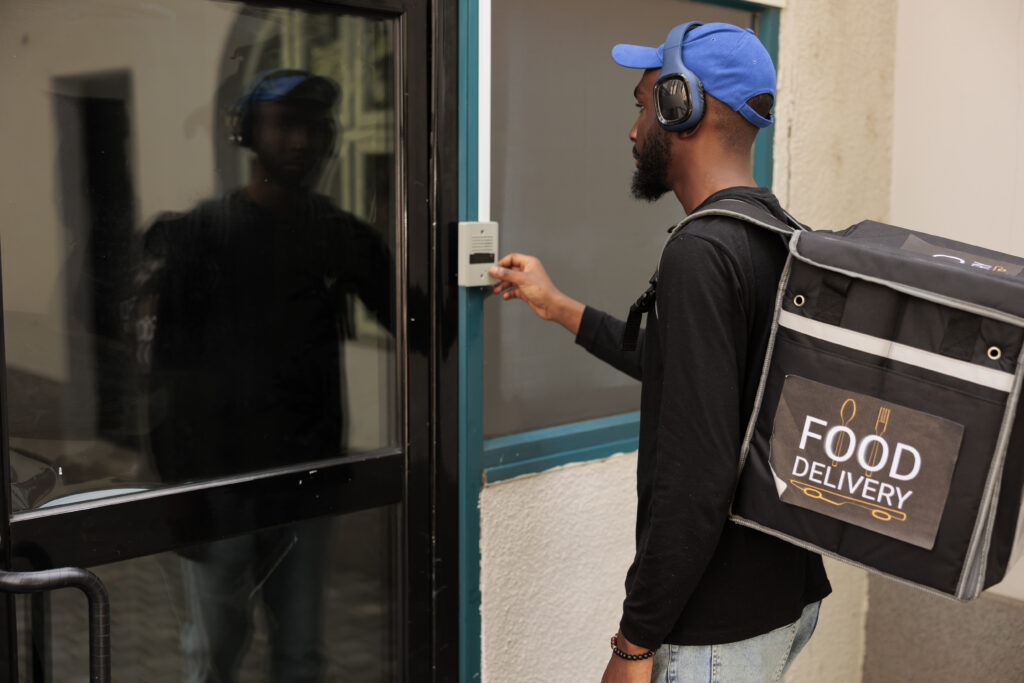
Some consumers have also had changes in the amount of food they consume. Often bigger portions are being served in restaurants than at home. Ordering frequently can thus boost calorie intake. This behavior can have a negative long-term impact on health.
Meanwhile, eatery delivery platforms offer more healthy alternatives. Many restaurants have menus that include salads, grilled food and low-calorie options. Menus can be viewed by customers prior to ordering. So those who want them can still make healthier choices.
Eating habits have evolved with consumer behavior. Today’s people spend more time researching food online. They don’t settle for one restaurant’s menu; they compare dozens. This process facilitates better thought-out decision-making.
The role of reviews has come into focus and has become more influential. Rating can be used to guide customers to order. Demand can rapidly build up from positive feedback. In the meantime, you might discourage potential buyers with poor feedback. So, today, customers’ opinions influence food trends more than ever.
Food delivery apps have also changed family food for dinners. No more having to have all family members agree on one restaurant! Various foods can be served to customers from several vendors. Therefore, each person will be able to meet his or her personal needs.
Don't MIss This Gist

This is positive but can also decrease participation in mealtime preparation. Sharing a meal can be a bonding experience. These can be prevented, however, if they are replaced by regular ordering of food. So, family food customs may change over time.
Consumer impact is not the only economic impact. Restaurants are now able to extend their reach to customers beyond their local area. The expanded reach opens new avenues for expansion. As a result, many food enterprises have grown their clients.
Small vendors of food have also been helped. Previously, it was hard to get visibility with delivery platforms. Customers can be interested in a local business regardless of the distance. This added exposure is frequently helpful to business development.
But this growing dependence on delivery services comes with its challenges. The cost of food can be greatly affected by delivery charges. People who are frequent users can spend more money than they need to. Thus, convenience may have to be paid for.
A new worry has been impulse spending. It’s easy to become enticed by eye-catching pictures of food and end up buying items you didn’t need. Many times, there are discounts and offers that will make people want to make more orders. Consequently, some of the consumers spend more than they can afford.
Dietary behaviors also have been a concern for health experts. Availability of quick food can make it tempting to eat unhealthy foods. Eating meals that are heavily processed may impact a person’s overall health. So it’s still a matter of moderation.
Don't MIss This Gist

However, the final responsibility lies with consumers. Food delivery apps don’t make decisions for you. But orders are still made, and frequency of ordering remains up to people. So it is still possible to adopt healthy habits even with the convenience factor.
The delivery experience is continuing to improve with technology. Deliveries are quicker and quicker, and they are a major selling point now. The convenience of real-time tracking is added. All of this really makes food orders even more appealing.
Cashless payments have also been playing a role in adoption. Customers can make transactions swiftly and securely. This smooth operation minimizes friction in buying. This makes it easy to order food, much easier than ever.
These developments are hastened by urbanization. The Nigerian cities are still growing fast. The city’s residents often find themselves with little time to cook due to their long commutes. Thus, delivery services play a crucial role in lives today.
Nigeria’s food delivery future looks bright. Year by year, more restaurants are getting onboard with digital. New technology will help to increase efficiency and customer experience. Consequently, there are likely to be an even greater number of people ordering food online.
But while convenience is important, mindful eating is also important. Restaurants can be a supplement to home cooking. The consumer with a mind for choice can get the best of both worlds. They are both convenient and healthful.
Don't MIss This Gist

In the end, food delivery apps have revolutionized the way Nigerians eat and access food. They have brought new choices, greater convenience and changed the way people live. Meanwhile, they’ve added some challenges with spending and eating. The influence of these platforms on the eating habits of Nigerians is expected to be further strengthened as the platforms continue to grow.