




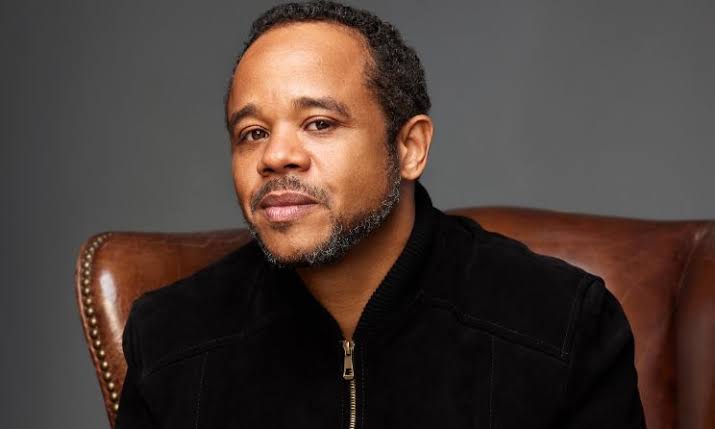
Samuel Onyemelukwe examines Nigeria’s influencer fierce debate is rocking influencer marketing: brands demand better results while creators face burnout. Discover why everyone’s frustrated, and how to fix it.
A conversation exploded across Nigerian social media recently, and it wasn’t about politics or Wizkid’s next album. It was about money, specifically, who deserves it, who’s refusing to pay it, and who built what.
Brands called influencers overpriced. Creators called brands exploitative.
Everyone claimed expertise they didn’t have on Monday morning. And somewhere in all that noise was a genuinely important conversation about Nigeria’s fast-growing creator economy, one that deserves more than hot takes.
For years, creators built audiences from scratch, posting daily, experimenting with content, and surviving algorithm changes. They turned bedrooms, salons, and street corners into studios. Now, those same audiences are goldmines for brands desperate to connect with young Nigerians.
But here’s the catch: brands want the attention without paying its true worth. And influencers, tired of being undervalued, are pushing back.
Many companies jumped into influencer marketing without a clear plan. They chased follower counts instead of understanding engagement. The result? Campaigns that felt fake, awkward, or disconnected from internet culture.
Audiences can smell inauthenticity instantly. That’s why a creator with 80,000 loyal followers can drive more sales than one with two million passive fans. Visibility isn’t influence, trust is.
Once a creator starts charging premium rates, they step into professional territory. Deadlines matter. Communication matters.
Reporting and audience data matter. You are now part of a brand’s marketing budget, not just a free agent posting for vibes.
Too many creators want the rates of an established media company with the accountability of a side hustle. That tension is exactly what fuelled last week’s online argument.
The truth? Follower count is not the same thing as influence. A creator with 80,000 deeply trusting followers can outperform someone with 2 million passive ones. Brands are slowly learning this.
Creators need to help them understand it, with data, not attitude.
On the flip side, influencers who charge premium rates often forget that professionalism comes with the territory. Once you’re part of a brand’s marketing strategy, deadlines, reporting, and accountability matter. Too many creators want corporate-level pay while operating with freelancer-level systems.
Nigeria is moving in that same direction, loudly, emotionally, and very much on its own terms.
The brands vs creators debate isn’t really about who’s right. It’s a public signal that Nigeria’s creative economy has outgrown its informal beginnings and is desperately searching for the rules of its next chapter.
Culture has never been born tidy. It starts loud and messy, and structure shows up later to organise what’s already working.
by Samuel “Samo” Onyemelukwe
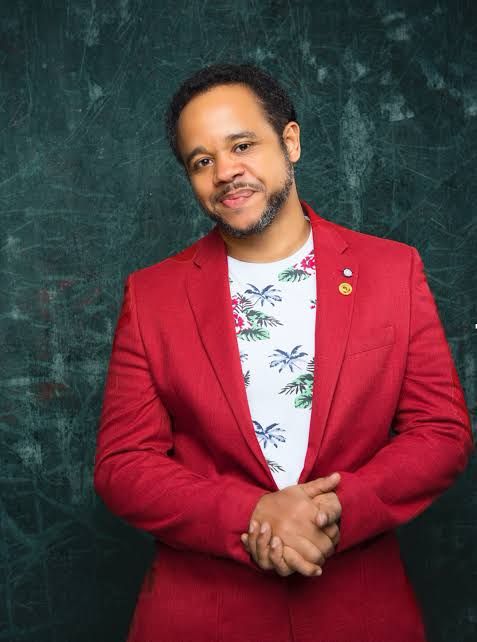
Mr. Onyemelukwe has worked in media and entertainment in the U.S., Nigeria and across Africa. He started his career at The Disney Company in Burbank California immediately after completing his Ba. In Fine Arts from The University of Southern California. After returning to The African Continent, in 2009, he joined Viacom Media as MTV Network, Business Development Manager, Nigeria, where he created campaigns for the likes of LG, Coca Cola, and Cadbury among many others. Mr. Onyemelukwe acquired a master license to Trace TV in West Africa in 2011 and his company was acquired by the Trace Group in 2019. Mr. Onyemelukwe is widely recognized for turning Trace into a market leader in the region. He has launched many popular TV channels such as, Trace Naija, Trace Jama and Trace Gospel on DSTV, and STV Music on Startimes. Mr. Onyemelukwe holds an MBA and an Ma. in Information Technology from Boston University.
#FEATUREDPOST